
Describe the property
Send the location, symptoms, equipment and access details. State whether the work is a repair, replacement or planned project.
Need plumbing help in Dorchester? Tell us about the leak, blocked drain, fixture or water heater. A responding provider will confirm coverage and availability before booking.
Get A Free QuoteCompare tank capacity, recovery, venting, and connection requirements with your household’s hot-water use before choosing a replacement.
View scopePlan cabling, possible hydro-jetting, or camera inspection according to the affected fixtures, pipe condition, and recurring blockage evidence.
View scopeCompare targeted repairs with broader replacement by documenting pipe material, fittings, leak history, access needs, and proposed PEX or copper routing.
View scopePlan fixture replacements, basement bathroom rough-ins, or laundry changes using measurements and the existing drain, supply, and vent locations.
View scopeUse moisture records, pipe locations, and meter observations to guide thermal or acoustic leak investigation and verify the repair.
View scopeCompare pump, backup, discharge, and valve arrangements with the existing pit, sewer connection, access, and testing needs.
View scopeUse water-test results and household needs to compare softener capacity, sediment or carbon filtration, and under-sink options.
View scopeIf you are considering water treatment in Dorchester, start by identifying the concern: scale, sediment, taste, or drinking-water preferences. A water test and the existing equipment label provide a better basis for selecting treatment than symptoms alone. For a softener, compare measured hardness, household use, and fixture count when assessing capacity and regeneration settings. If adding sediment, carbon, or under-sink filtration, check the product’s stated purpose, replacement schedule, and installation location so each stage is matched to a defined need.
Compare tank capacity, recovery, venting, and connection requirements with your household’s hot-water use before choosing a replacement. Plan cabling, possible hydro-jetting, or camera inspection according to the affected fixtures, pipe condition, and recurring blockage evidence. Compare targeted repairs with broader replacement by documenting pipe material, fittings, leak history, access needs, and proposed PEX or copper routing.
Plan fixture replacements, basement bathroom rough-ins, or laundry changes using measurements and the existing drain, supply, and vent locations. Use moisture records, pipe locations, and meter observations to guide thermal or acoustic leak investigation and verify the repair.
Compare pump, backup, discharge, and valve arrangements with the existing pit, sewer connection, access, and testing needs. Use water-test results and household needs to compare softener capacity, sediment or carbon filtration, and under-sink options.
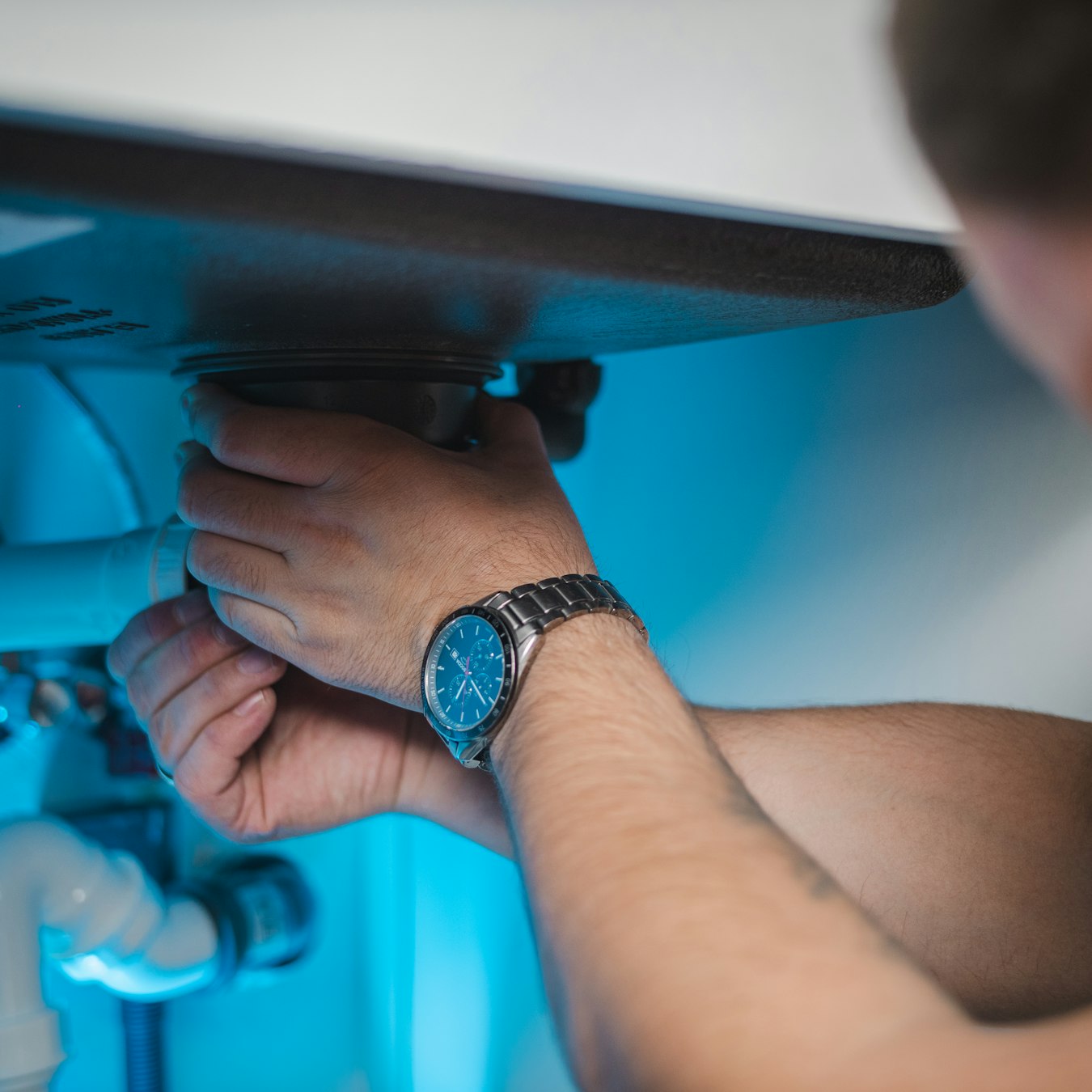
For drain work in Dorchester, note which fixtures are slow, whether several drains are affected, and when the symptoms occur. A single basin may call for a different investigation than a backed-up floor drain or a recurring main-line blockage. Cabling can open a path through an obstruction; hydro-jetting may be considered when deposits remain on pipe walls, subject to pipe condition. If the line is still troublesome, camera inspection can help assess roots, debris, damage, connections, or slope before deciding what comes next.
Explore this serviceSend the location, symptoms, equipment and access details. State whether the work is a repair, replacement or planned project.
The request is reviewed so the responding provider can clarify the work, property access and service coverage.
Agree the provider identity, qualifications, written scope, pricing and visit window directly. Sending a form does not confirm an appointment.
If the supply lines are polybutylene, record visible pipe markings, fitting types, and accessible routes. Ask whether the proposal replaces the system end to end or only changes selected connections. A manifold-based PEX layout is one possible approach; compare its routing and serviceable connection locations with the existing layout so the scope is clear beyond the first visible failure.
If a ceiling or wall is finished, ask whether thermal imaging can help trace a temperature pattern before an access point is chosen. Photograph the area and note when the surface feels damp or changes. A thermal image is a search aid, not proof of a leak by itself, so compare it with pipe routes and other observations before cutting into the finish.
If a basement floor drain or laundry standpipe is involved, note whether other fixtures back up at the same time and whether water returns after clearing. Ask that the trap and its seal be considered, since a dry or compromised trap can allow sewer odour into the room. These observations help separate a drainage obstruction from a trap-seal issue and guide the inspection.
Record the pump model, pit dimensions, switch type, discharge route, and how often the unit cycles. Ask how a proposed pump’s capacity and switch arrangement suit those observed conditions. If replacing a smaller or older unit, compare the outlet and available pit space too, since those details can affect the equipment choice and whether changes to the existing installation are needed.
Ask for hardness to be measured and compare that result with the number of occupants, typical water use, and relevant fixtures. Then review the proposed capacity and regeneration settings. These inputs help explain whether a unit is appropriately sized and how often it may regenerate; relying on household size or a general description alone can lead to a poor fit.
Use the form to describe the property, the symptoms and the work requested. For Thorndale, Thamesford, Belmont, Putnam, include your postal code so local coverage can be checked.
Select a listed location for guidance or use the inquiry form. Provide the property location, equipment and access details so the provider can review the request.